
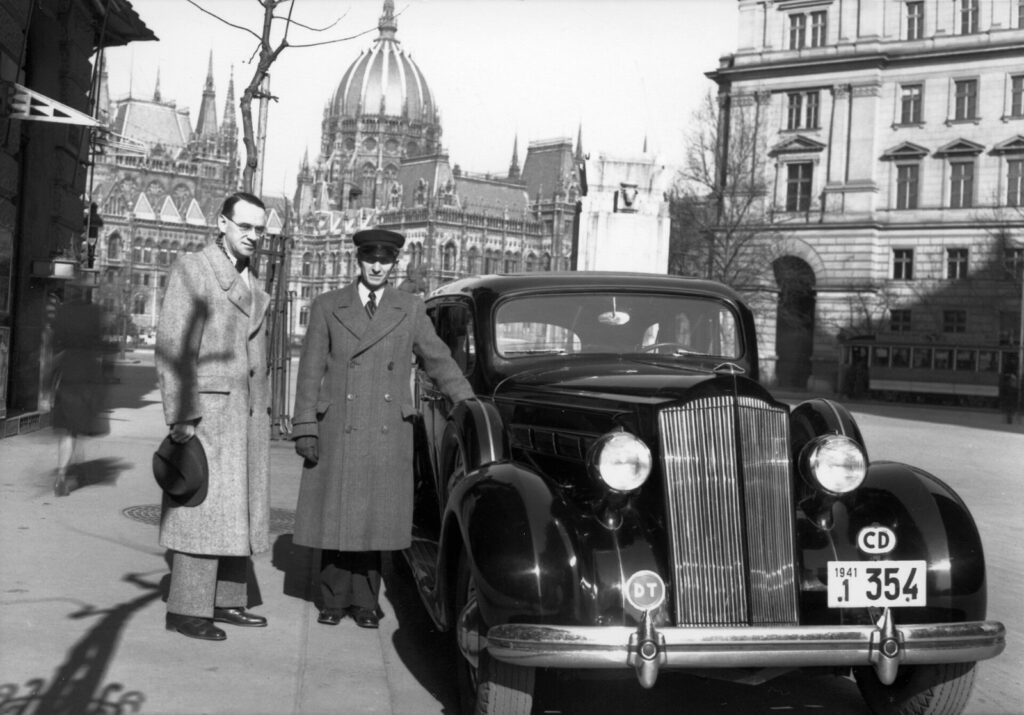
Chauffeur Meaning: What a Chauffeur Is and How the Role Differs from a Driver
A chauffeur is a person employed to drive a private or hired car for passengers, usually in a professional, service-focused role. The word comes from French, where chauffeur originally meant “stoker” or “one who heats”, a reference to early steam-powered cars that needed their engines warmed up. Today it describes a driver whose job combines safe driving with discretion, punctuality and passenger care.
In this guide
Where the word comes from
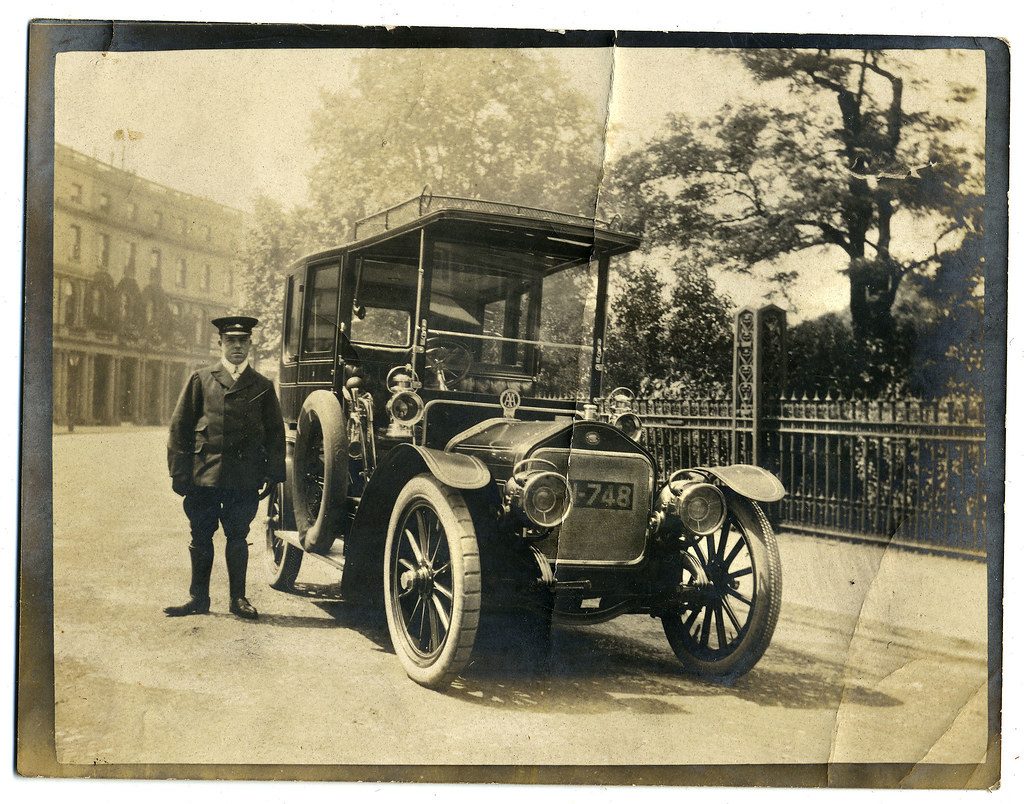
In 19th-century French, chauffer meant “to heat”, and a chauffeur was someone who stoked a fire or boiler. When the first motor cars appeared, some ran on steam, and the person operating them was a kind of engine stoker as well as a driver. The word stuck as cars evolved, and by the early 20th century it had entered English to mean a professional driver of a private car.
Chauffeur, driver, taxi: what is the difference?
| Role | Who they work for | Typical service |
|---|---|---|
| Chauffeur | An individual, family, company or licensed limousine firm | Pre-booked, often premium car, waits for passengers, assists with luggage and schedule |
| Private driver | An individual or family | Daily driving duties, may also run errands |
| Taxi driver | Taxi operator | On-demand trips, metered fares, picks up the public |
| Ride-hailing driver | Platform operator | App-booked trips, usually one journey at a time |
The line between chauffeur and private driver is blurry, but “chauffeur” usually signals a more formal, service-oriented role.
What a chauffeur actually does
- Plans routes and timings, accounting for traffic and events
- Keeps the vehicle clean, fuelled and ready
- Opens doors, helps with luggage and ensures passenger comfort
- Waits at venues and adjusts to schedule changes
- Maintains discretion about passengers and conversations
- Follows all traffic laws and safety rules
Skills that matter
Calm, defensive driving; local knowledge; punctuality; communication; discretion; basic vehicle care; and, for VIP roles, security awareness.
Chauffeurs in the UAE
In the UAE, chauffeur and limousine services are regulated. In Dubai, the RTA licenses limousine companies and the drivers they employ; in Abu Dhabi, the Integrated Transport Centre oversees similar services. Families who employ a personal driver do so under the domestic worker framework, and the driver needs a valid UAE licence for the vehicle class.
Chauffeur services are popular here for airport transfers, business travel, weddings and long sightseeing days, partly because distances between attractions can be large and parking at busy venues is limited. Our guide to booking a chauffeur service covers what to ask before you book.
Polite expectations
Passengers usually sit in the back, give the destination and schedule at the start, and let the chauffeur know of changes in good time. Tipping is not mandatory in the UAE but is appreciated.
Chauffeur versus driving yourself
Self-drive gives total flexibility and is often cheaper over several days. A chauffeur makes sense when you want to work or rest during the trip, have several stops with difficult parking, or are travelling at night after a long flight. Our road trip fuel and time planner helps you compare.
A chauffeur is a professional driver whose job is your journey, not just the road.
Frequently asked questions
How do you pronounce chauffeur?
In English it is usually pronounced “SHOH-fer” or “shoh-FUR”, reflecting the French origin.
Is a chauffeur the same as a limo driver?
A limo driver is a type of chauffeur. Chauffeurs drive many kinds of cars, not only limousines.
Do chauffeurs need a special licence in the UAE?
Drivers working for licensed limousine companies need the permits required by the transport authority, in addition to a valid driving licence.
What is the feminine form of chauffeur?
In French it is “chauffeuse”, but in English “chauffeur” is used for everyone.
Sources: Roads and Transport Authority (RTA), Abu Dhabi Integrated Transport Centre, Merriam-Webster
Cover photo: FOTO:Fortepan — ID 105822: Adományozó/Donor: Archiv für Zeitgeschichte ETH Züric, CC BY-SA 3.0. Last reviewed: 2026-11-25.
