
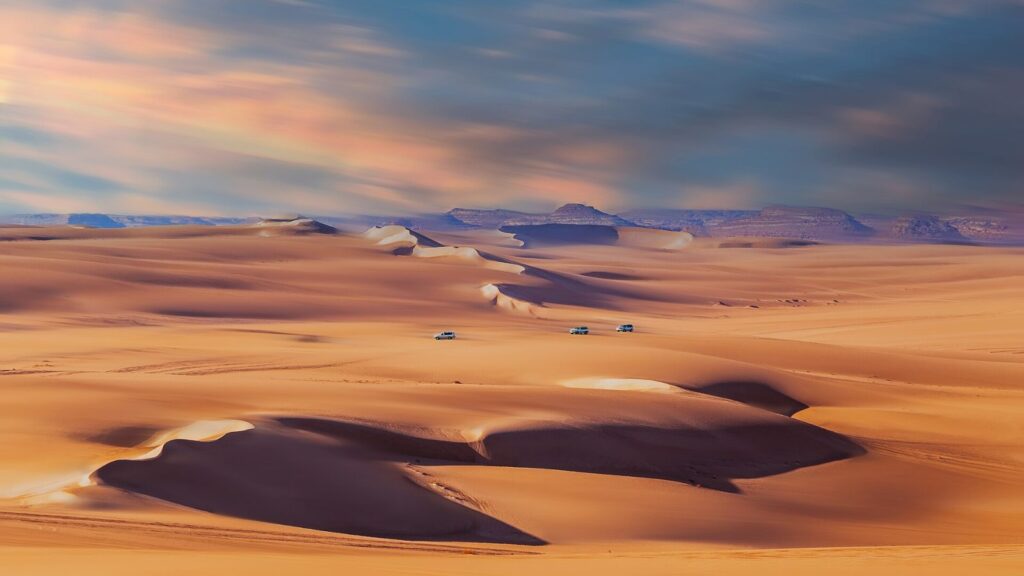
What to Wear on a Desert Safari: Outfit Guide by Season
For a desert safari in the UAE, wear loose, light-coloured, breathable clothing that covers shoulders and knees, closed shoes or sturdy sandals you can shake out, sunglasses and a scarf for sand. In winter add a warm layer, because desert evenings and early mornings can feel cold. Avoid anything you would be upset to get sandy.
In this guide
The basic outfit formula
Core pieces
- Loose cotton or linen top with sleeves, or a light long-sleeve shirt
- Long, loose trousers, a maxi skirt or a modest dress (skirts can be awkward on camels and quads)
- Closed trainers or sturdy sandals; sand gets everywhere either way
- Sunglasses and a hat or cap
- A light scarf or shemagh for wind-blown sand and sun
- Warm layer for winter evenings or sunrise trips
Our desert safari packing list turns this into a printable checklist.
Outfit by season
| Season | Daytime feel | What to add |
|---|---|---|
| Summer (roughly May to September) | Very hot, even at sunset | Lightest fabrics, light colours, hat, extra water |
| Autumn and spring | Warm days, pleasant evenings | Light jacket for after dark |
| Winter (roughly December to February) | Mild days, cool or cold nights | Warm sweater or fleece, closed shoes |
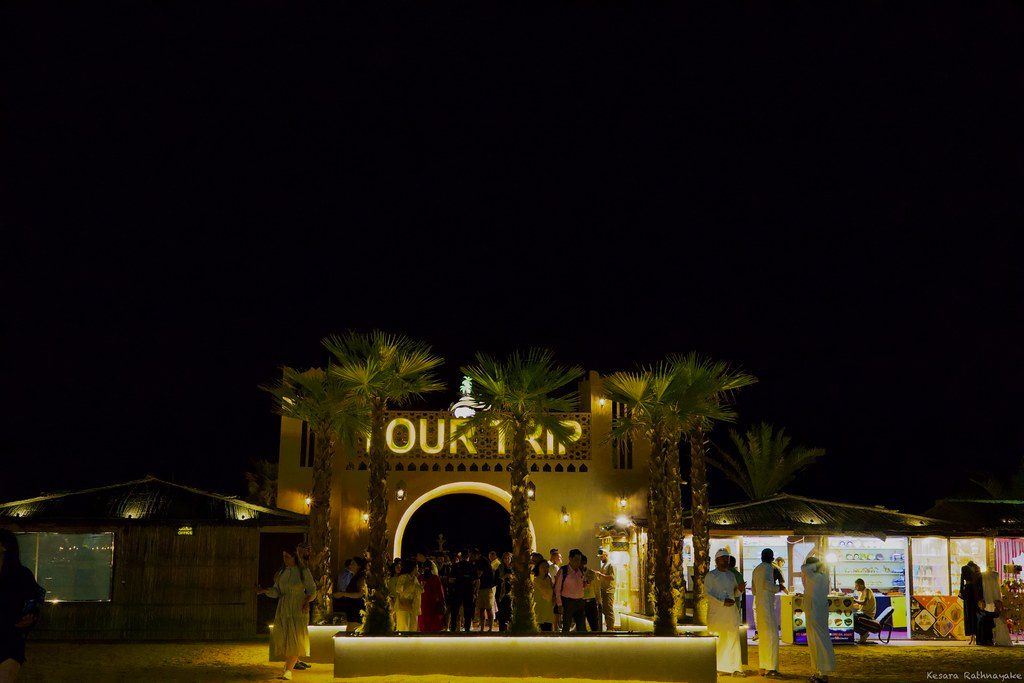
Fabrics that work
- Cotton and linen: breathable and comfortable in heat.
- Light technical fabrics: quick drying and sun protective.
- Avoid: heavy denim, very tight clothing, delicate fabrics and anything that shows sweat easily if you plan photos.
Light colours reflect heat and look great against red and gold dunes. Bold colours such as red, cobalt or emerald also photograph well in the desert.
Footwear
Sand is soft, hot in the day and full of tiny particles. Closed trainers protect your feet on quad bikes and during sandboarding. Sandals are easier to empty but can let in hot sand. Many people walk barefoot at camp; check the sand temperature first in summer.
Sun and heat
Even late in the afternoon, UV can be strong. Use sunscreen on exposed skin, wear sunglasses, and drink water throughout. Signs of heat exhaustion such as dizziness, headache, nausea or heavy sweating mean you should stop, move to shade and cool down; seek help if symptoms do not improve.
Modesty and local customs
Safari camps welcome visitors in everyday holiday clothing, but modest outfits are respectful and practical. Covering shoulders and knees is a good rule, especially at camps that host cultural activities and families. Swimwear and very revealing clothing are not appropriate.
Accessories that make life easier
- A small bag that zips fully closed, to keep sand out of phones
- Lens cloth for sunglasses and cameras
- Hair tie or clip for windy dunes
- Lip balm with SPF
- Wet wipes
- Phone pouch or zip bag for sandboarding
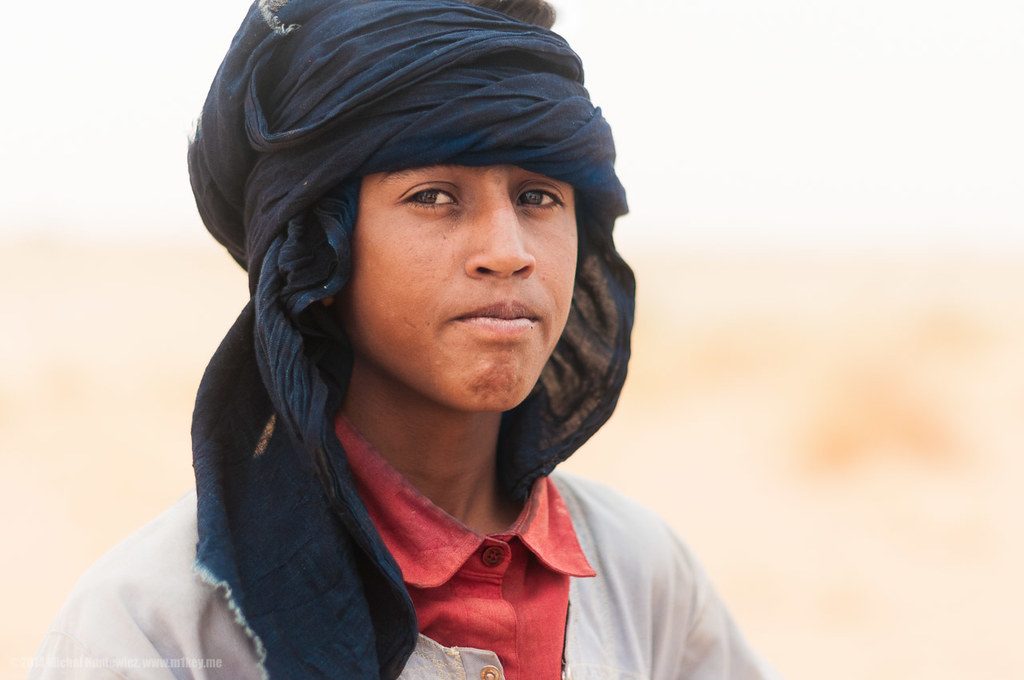
Outfit ideas for photos
- Flowing maxi dress in a solid bright colour with a light shawl.
- White linen shirt, beige trousers, and a wide-brim hat.
- Loose kaftan-style top with light trousers and trainers.
- For men, a light long-sleeve shirt, chinos and a scarf worn loosely.
Dress for sand, sun and modesty first; style comes easily after that.
Frequently asked questions
Can I wear shorts on a desert safari?
Knee-length shorts are generally fine for activities, but covering knees is more respectful at camps and protects against sun and sand.
What should children wear?
Light, covering clothes, a hat, closed shoes and a warm layer for winter evenings. Sunscreen is essential.
Do I need a jacket in winter?
Yes. Desert temperatures can drop noticeably after sunset in winter months.
Should I wear contact lenses?
Sand can irritate contact lenses. Glasses or sunglasses are often more comfortable; bring eye drops if you wear lenses.
Sources: Visit Dubai, Visit Abu Dhabi, NHS (heat exhaustion)
Cover photo: Hesham Farouk Ragab, CC BY-SA 4.0. Last reviewed: 2026-11-25.
