
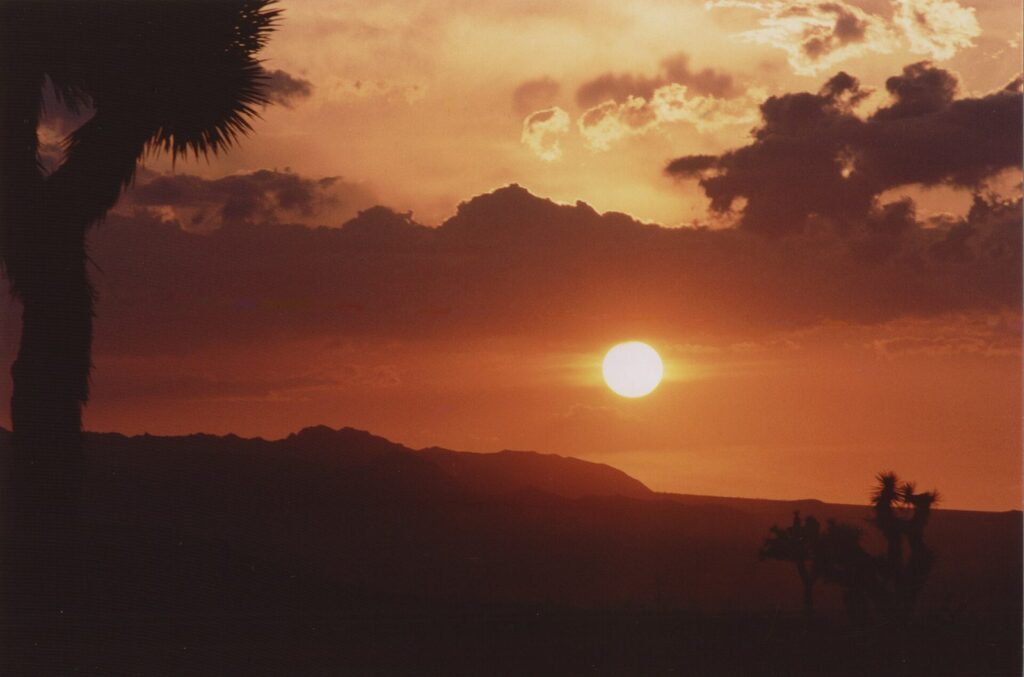
Desert Safari in Summer: Is It Worth It and How to Stay Safe in the Heat
A desert safari in summer is possible and can still be enjoyable, but the heat changes everything. From roughly May to September, daytime temperatures in the UAE desert regularly climb above 40°C, so the best options are early morning tours, late afternoon tours that run into the evening, and overnight trips where most activity happens after sunset. Choose a licensed operator, keep the programme short, drink plenty of water and know the warning signs of heat illness.
In this guide
- What summer in the desert is really like
- Choosing the right tour time
- Heat safety: the essentials
- How to stay comfortable
- What changes at camps in summer
- Looking after your phone, camera and car
- Is a summer safari worth it?
- Alternatives in extreme heat
- Driving yourself to the desert in summer
- Frequently asked questions
What summer in the desert is really like
The desert in summer is intensely hot, bright and often humid near the coast. Sand surfaces get far hotter than the air, hot enough to burn bare feet in the middle of the day. Even in the evening, temperatures can remain high. On the plus side, tours are usually quieter, and some operators run summer promotions.
Choosing the right tour time
| Tour type | Typical timing | Summer suitability | Notes |
|---|---|---|---|
| Sunrise or early morning | Very early pickup | Best | Coolest part of the day, often finished before strong heat |
| Morning | Mid-morning | Fair to poor | Heat builds quickly |
| Evening | Afternoon pickup, return at night | Good | Dune drive in late light, activities after sunset |
| Overnight | Afternoon to next morning | Good if camp has shade and fans | Night temperatures stay warm |
| Midday activities | Around noon | Avoid | Highest heat and UV |
Our guides to morning desert safari Dubai and night desert safari Dubai describe those formats in more detail.
Heat safety: the essentials
Heat illness is the main risk on a summer safari. Know the signs and act early.
Warning signs of heat exhaustion and heatstroke
- Heavy sweating, cold clammy skin, dizziness, headache, nausea or cramps can signal heat exhaustion: move to shade or air conditioning, sip water and cool down
- Confusion, very high body temperature, hot dry skin, fainting or seizures can signal heatstroke, which is a medical emergency: call 998 for an ambulance in the UAE and start cooling the person immediately
Children, older adults, pregnant women and people with heart conditions or other chronic illnesses are more vulnerable to heat. If you are in one of these groups, speak to a doctor before planning outdoor activities in summer, and consider skipping dune bashing.
How to stay comfortable
- Drink before you are thirsty. Start hydrating in the morning and carry water throughout.
- Dress for the sun. Loose, light-coloured, breathable clothing that covers your skin, a wide-brimmed hat and sunglasses.
- Use high-factor sunscreen and reapply, especially after sandboarding or sweating.
- Wear closed shoes or thick-soled sandals; hot sand can burn.
- Eat lightly before dune bashing, which can cause motion sickness, especially in heat.
- Rest in the shade at camp and use air-conditioned vehicles between activities.
- Avoid alcohol during hot days, as it worsens dehydration.
Our desert safari packing list covers everything else to bring.
In summer, plan the safari around the coolest hours, not around the most activities.
What changes at camps in summer
Many camps adapt their programmes in the hottest months. Activities may be shortened, some shows may move later into the evening, and camps may add misting fans or air-conditioned areas. Some smaller camps close entirely in peak summer. Ask the operator what is included and whether the camp has shade and cooling.
Questions to ask the operator
- What time is pickup and when does the dune drive start?
- Does the camp have shaded seating, fans or air-conditioned areas?
- Is drinking water included and unlimited?
- How long is each activity, and can we skip any?
- What happens if someone feels unwell?
Looking after your phone, camera and car
Electronics suffer in desert heat too. Phones left in direct sun or on a hot dashboard can overheat and shut down, just when you want photos at sunset. Keep devices in a shaded bag, avoid charging them while hot, and give them a few minutes in the air-conditioned car if they warn about temperature. A light-coloured pouch helps.
If you drive your own car to a meeting point, park facing away from the sun if possible, use a windscreen sunshade and do not leave aerosols, power banks, lighters or medicines inside. Cabin temperatures in a closed car in summer can climb very high within minutes, so never leave children or pets in a parked car, even briefly.
Is a summer safari worth it?
For many visitors, yes, especially if summer is the only time they can travel. The desert at sunset is beautiful in any season, and quieter camps can feel more relaxed. But if you are flexible, the cooler months from October to April are more comfortable and allow longer, more active programmes. Our guide to the best desert safari in Dubai compares options across the year.
Alternatives in extreme heat
If the forecast is extreme, consider:
- A short sunrise trip with dune viewing and a light breakfast
- A dinner-focused evening at a camp without dune bashing
- Indoor desert-themed experiences or heritage museums in the city
- Moving the safari to a cooler day of your trip
Driving yourself to the desert in summer
Self-driving into dunes is risky at any time and especially in summer, when a breakdown or getting stuck can quickly become dangerous. Most rental agreements also forbid off-road driving. If you drive to a meeting point on a paved road, carry plenty of water and keep the fuel tank well filled.
Frequently asked questions
Is it too hot for a desert safari in July or August?
It is very hot, but early morning and evening tours are manageable for most healthy adults with the right precautions. Midday activities are best avoided.
Are summer safaris cheaper?
Some operators offer lower prices or promotions in summer. Compare inclusions, since programmes may be shortened.
Can children go on a summer desert safari?
Children are more sensitive to heat. Short, early morning or evening tours are better, with plenty of shade and water.
What should I wear on a summer safari?
Loose, light-coloured clothing that covers the skin, a hat, sunglasses and closed shoes. See our desert safari outfit guide.
Sources: Visit Dubai, UAE Government Portal, Dubai Health Authority
Cover photo: Jessie Eastland, CC BY-SA 3.0. Last reviewed: 2026-11-25.
