
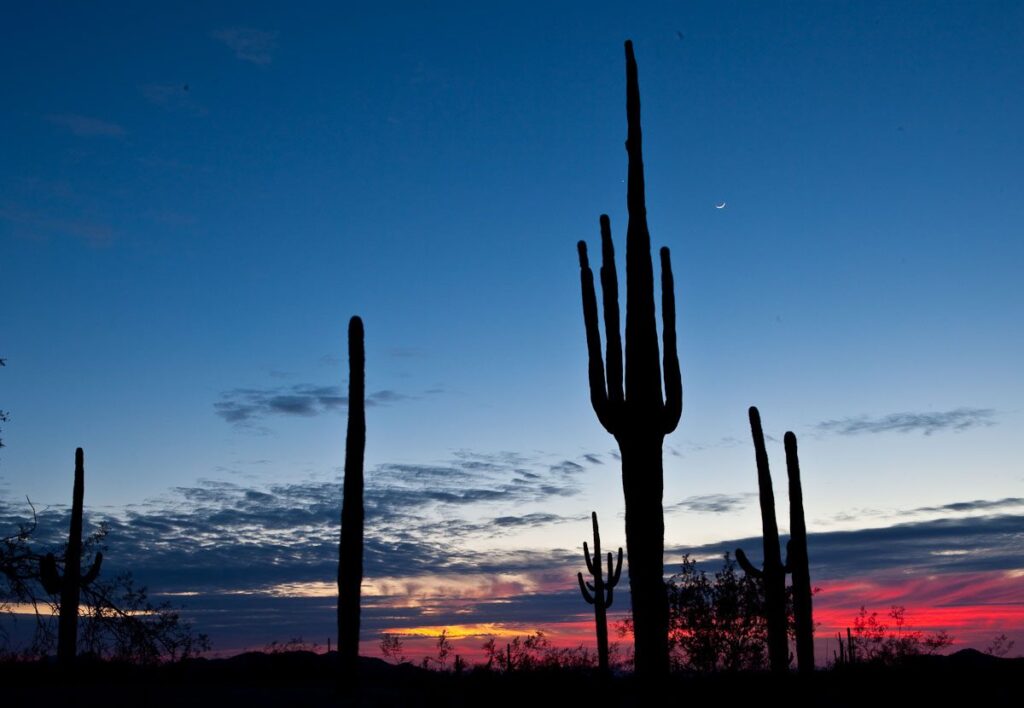
Overnight Desert Safari in the UAE: How a Night in the Dunes Really Works
An overnight desert safari is an evening safari that does not end at 10 pm: after dinner you stay at a desert camp, sleep in a tent or under the open sky, and wake for sunrise over the dunes before the drive back. It suits travellers who want quiet, stars and cooler early-morning light rather than just a few hours of dune bashing.
In this guide
How an overnight trip usually runs
Itineraries vary between operators, but most follow a similar rhythm.
| Time of day | What usually happens |
|---|---|
| Mid to late afternoon | Hotel or meeting-point pick-up in a 4×4, drive to the desert edge, tyres deflated |
| Late afternoon | Dune drive, photo stops, optional sandboarding or camel ride |
| Sunset | Stop on a high dune to watch the light change |
| Evening | Arrival at camp, tea and dates, dinner, sometimes cultural performances |
| Night | Camp quietens down, stargazing, sleep in tent or on mattresses outdoors |
| Dawn | Sunrise walk, breakfast, drive back to the city by mid-morning |
Large shared camps that host evening crowds sometimes keep only a smaller section open overnight. Private and boutique camps are more likely to be built around the overnight experience itself. Ask which kind you are booking.
Where in the UAE you can stay overnight
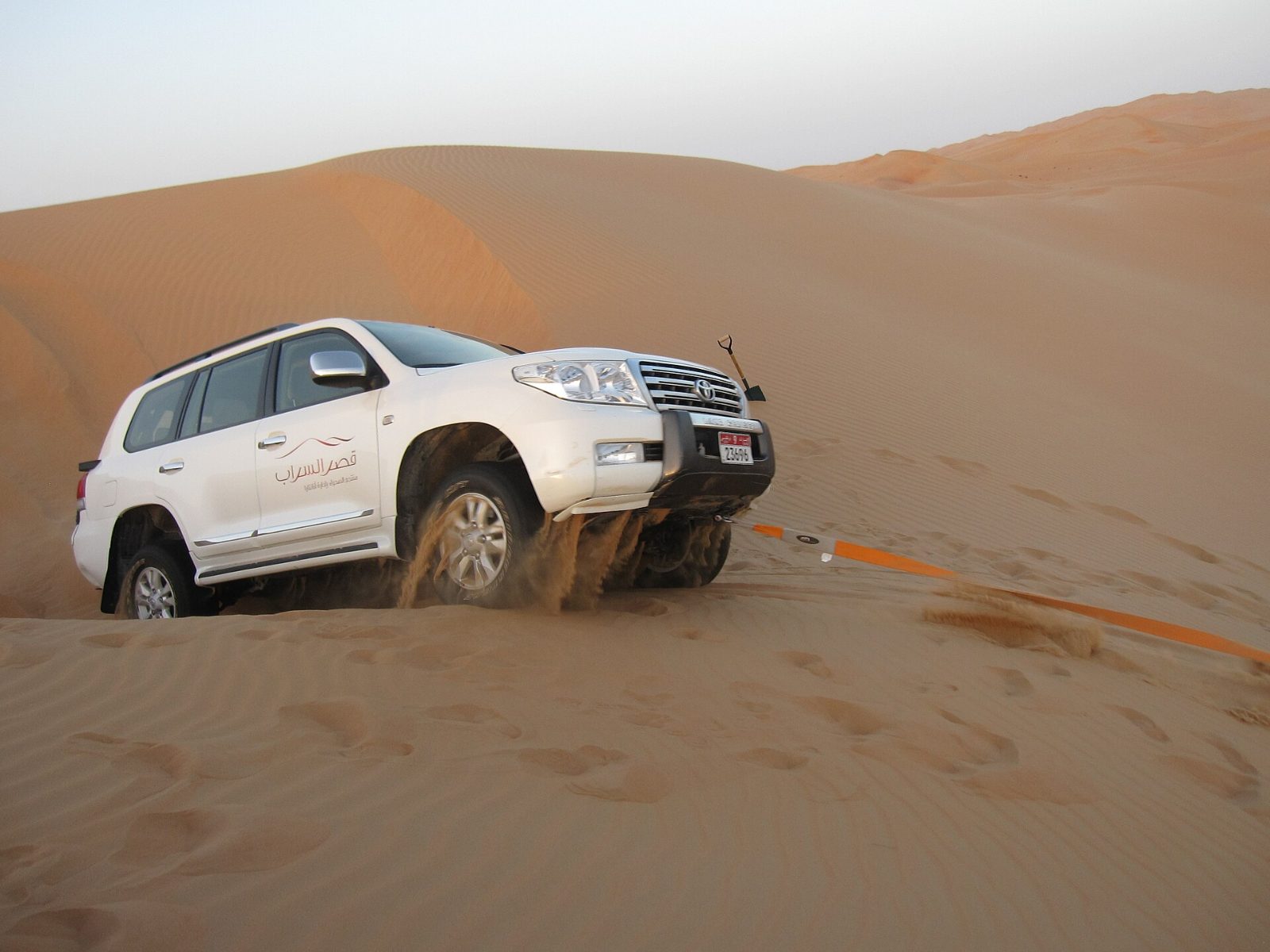
- Dubai desert areas such as the zones around Al Marmoom and the roads toward Hatta and Al Ain host many camps within an hour or so of the city.
- Sharjah’s interior, including areas near Mleiha, offers a mix of desert and archaeological interest.
- Abu Dhabi’s Liwa region has some of the highest dunes in the country, on the edge of the Empty Quarter. It is a long drive from Dubai, so overnight trips there make particular sense.
- Ras Al Khaimah combines desert camps with easy access to the Hajar mountains.
Protected areas, such as the Dubai Desert Conservation Reserve, have their own rules on vehicles and operators, so only approved companies can take guests inside.
When to go
The comfortable season for sleeping outdoors runs roughly from late October to March or April. Winter nights in the desert can be genuinely cold, especially just before dawn, while summer nights stay hot and humid enough that many operators either pause overnight trips or move guests into air-conditioned tents.
Cold nights are real
Desert sand loses heat quickly after sunset. In January and February, a light jacket is not enough for the early hours. Bring a warm layer, socks and a hat, and ask if the camp supplies blankets or sleeping bags.
What to pack
Pack light, since you will carry your bag between the vehicle and camp. Our Desert Safari Packing List has a printable version, but the essentials are:
- warm layer for night and early morning
- closed shoes or sandals you can easily shake sand from
- headtorch or small torch, as camp lighting is often low
- reusable water bottle
- sunscreen, sunglasses and a scarf for wind and sand
- basic toiletries and any medication you need
- power bank, as charging points may be limited
Choosing an operator
Price is not the only signal worth checking. A good overnight camp is quiet after the evening programme, clean, and run by a company that drives responsibly on the dunes.
Questions to ask before booking
- Is the operator licensed by the relevant tourism authority in that emirate?
- How many guests stay overnight, and is the camp shared with an evening crowd?
- What are the sleeping arrangements: tent, cabin, or mattress under the sky?
- Are toilets and showers on site, and what is the water situation?
- What is the plan if the weather turns windy or unusually cold?
- Is the dune drive optional for guests who are pregnant, have back problems or feel unwell?
The best overnight camps feel empty after midnight, and that silence is what you are paying for.
Safety points worth knowing
Dune driving looks dramatic because it is. Seat belts must stay on, and drivers should adjust their style for nervous passengers or children. If you suffer from motion sickness, eat lightly before the drive and sit near the front.
Out in the desert, stay within sight of camp at night. Sand looks the same in every direction once the camp lights are behind a dune. Scorpions and snakes exist but rarely bother people; shake out shoes in the morning and do not wander barefoot in the dark.
Private versus shared overnight safaris
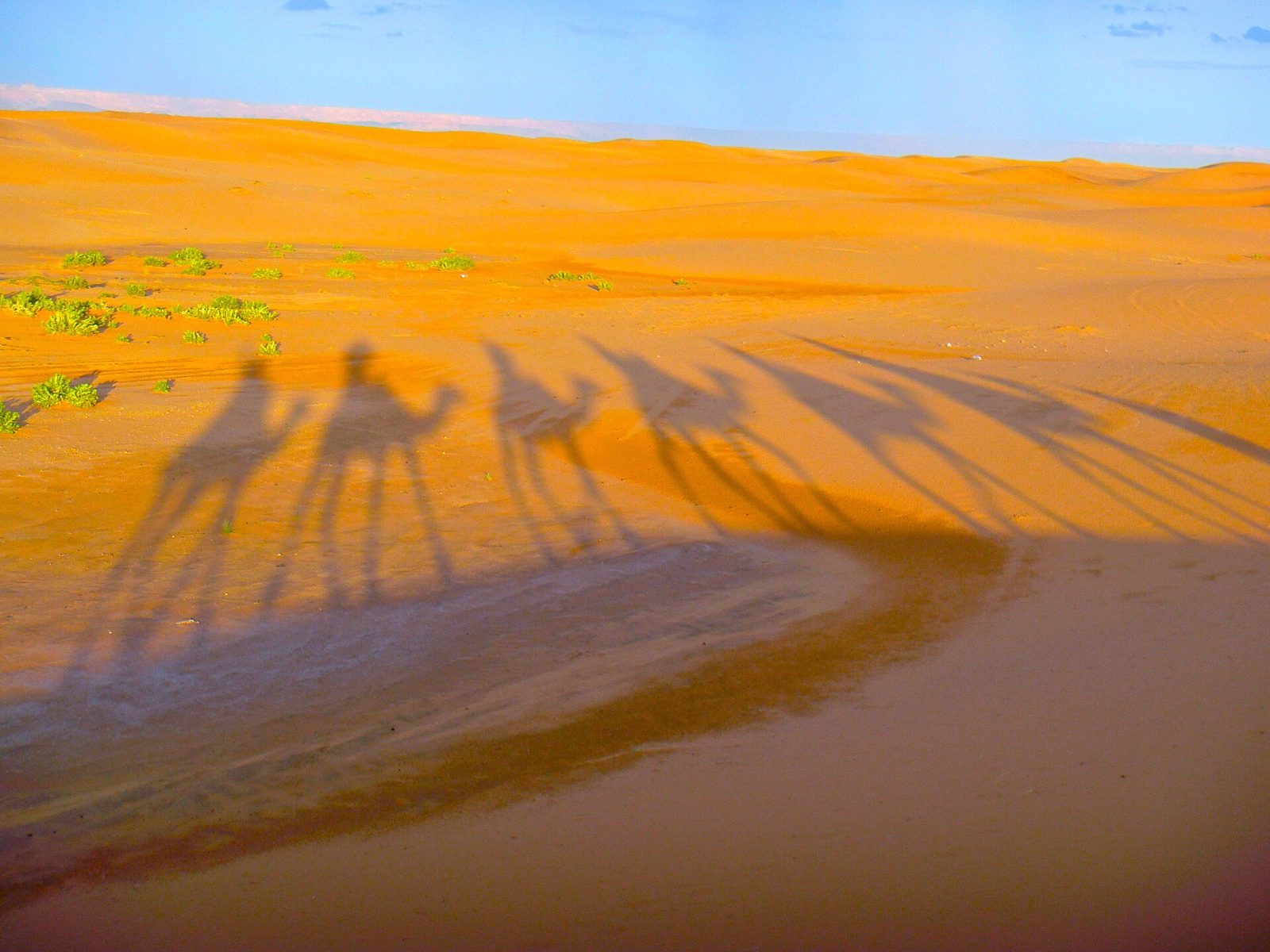
Shared trips are usually cheaper and sociable, but timings are fixed and you may share a vehicle with strangers. Private trips give you control over start time, route and pace, and suit families with small children or groups who want a quieter camp. Some private operators also offer self-drive convoys for experienced four-wheel-drive owners, with a guide leading.
If you plan to combine your night in the dunes with a longer road trip, our Road Trip Fuel and Time Planner helps estimate drive times between emirates.
Frequently asked questions
Is an overnight desert safari safe for children?
Many families take children, but check minimum ages for dune bashing and quad bikes. Ask the operator whether a gentler drive is possible.
Are there toilets at overnight camps?
Most established camps have toilets and basic washrooms. Facilities range from simple blocks to private bathrooms at premium camps, so ask before booking.
Can I do an overnight safari in summer?
Some operators run them with air-conditioned tents, but many reduce or stop overnight trips in the hottest months. Evenings in July and August stay very warm.
Do I need to bring food?
Dinner and breakfast are normally included. Bring snacks if you have dietary needs and confirm vegetarian or allergy options in advance.
What should I wear?
Light, loose layers during the day and warm clothing for the night. Modest clothing is appreciated at camps with cultural programmes.
Sources: Dubai Department of Economy and Tourism, Experience Abu Dhabi, Dubai Desert Conservation Reserve
Last reviewed: 2026-11-25.
