
Dubai Metro Guide: Lines, Tickets and Tips for Visitors
The Dubai Metro is a driverless rail network with two operating lines, the Red Line and the Green Line, that together connect the airport, Deira, Bur Dubai, Downtown, Dubai Marina and Expo City. You pay with a Nol card or ticket, and trains run frequently through the day. For visitors staying near a station, it is one of the cheapest and most reliable ways to avoid Dubai’s road traffic.
In this guide
The network at a glance
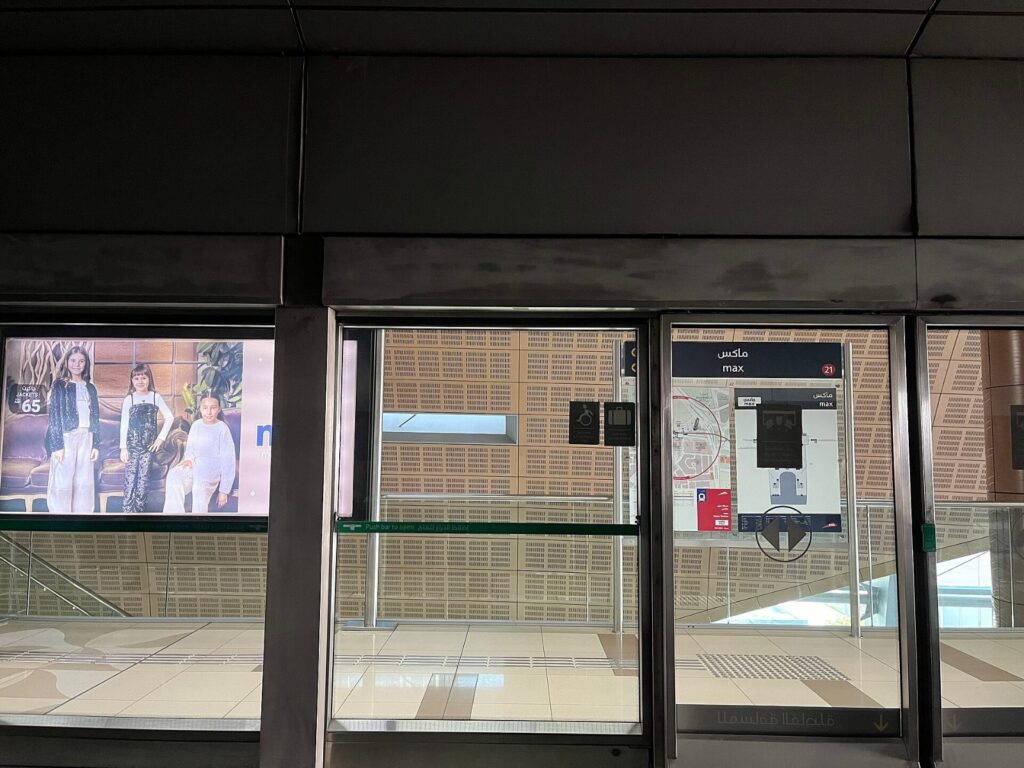
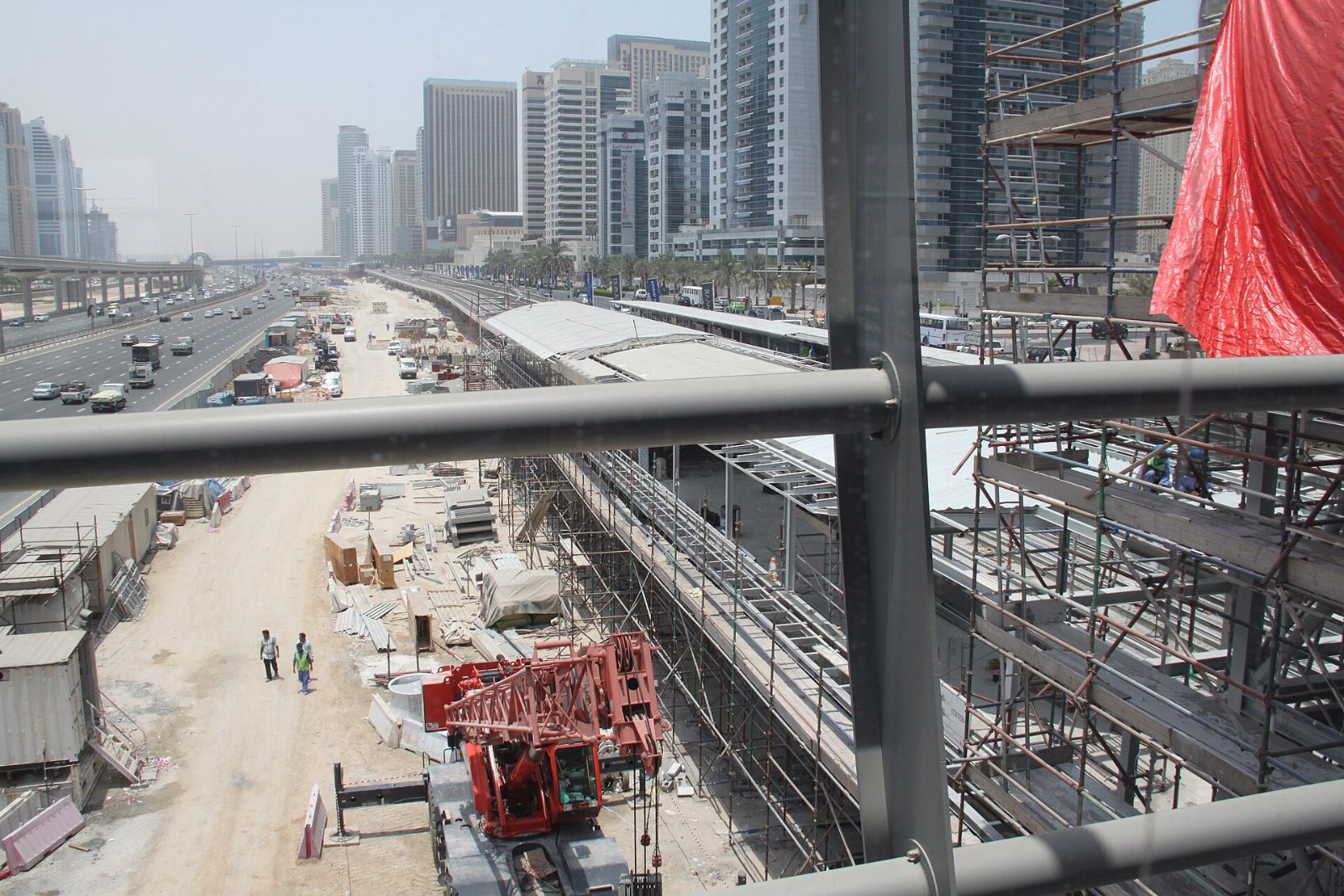
The metro opened in 2009 and has grown in stages. Trains run on elevated tracks for most of their length and go underground in the older, denser parts of the city. Stations are air-conditioned, which matters a great deal in summer.
| Line | Main areas served | Useful for |
|---|---|---|
| Red Line | Airport Terminals 1 and 3, Deira, Bur Dubai, Sheikh Zayed Road, Downtown, Dubai Marina, Jebel Ali | Airport transfers, Burj Khalifa and Dubai Mall, the Marina and JBR |
| Red Line branch (Route 2020) | Branches towards Dubai Investments Park and Expo City Dubai | Expo City events |
| Green Line | Deira, Al Ras, Bur Dubai, Healthcare City, Creek, Al Jadaf | Old Dubai, the Creek and souqs |
The two lines meet at interchange stations, including Union and BurJuman, so you can change between them without leaving the system. A further line, the Blue Line, has been announced and is under development; check RTA updates for its progress rather than relying on older articles.
Paying for your journey: Nol
Every journey needs a valid Nol card or ticket, tapped in at the gates when you enter and out when you leave. Fares depend on how many zones you cross. Nol cards also work on Dubai buses, the Dubai Tram and some water transport, and can pay for certain other services around the city.
Nol card types
- Red ticket: paper ticket for occasional travellers, loaded with a limited number of trips
- Silver card: reusable, anonymous plastic card for regular travel
- Gold card: like Silver, but for Gold Class carriages, at a higher fare
- Blue card: personalised card registered to the holder, with options for concessions
You can buy and top up cards at ticket machines and counters in every station. Keep enough balance for your journey before you tap in, because the gates check that you can cover a trip. We cover the options in detail in our Nol card guide.
Carriages and classes
Each train has a Gold Class section with more space and a higher fare, a section reserved for women and children, and standard carriages for everyone else. Signs on the platform and the floor show where each section stops. Men should avoid the women and children section, as fines apply.
Rules that surprise visitors
The metro is clean and orderly partly because the rules are enforced:
- No eating or drinking on trains or in paid areas of stations, and that includes chewing gum
- No sleeping across seats or blocking doors
- Large luggage can be restricted, and bikes have their own rules
- Smoking is prohibited
- Using another person’s personal Blue card is not allowed
Fines are real
Inspectors check tickets and behaviour, and fines are issued on the spot. If you are unsure whether something is allowed, assume it is not, and finish your drink before you reach the gates.
Getting to major sights
- Burj Khalifa and Dubai Mall: Red Line, Burj Khalifa/Dubai Mall station, then a covered walkway into the mall.
- Dubai Marina and JBR: Red Line stations in the Marina area, plus the Dubai Tram for the beach side.
- Mall of the Emirates and Ski Dubai: Red Line, Mall of the Emirates station.
- Gold and Spice Souqs: Green Line to Al Ras, or a short walk from nearby stations.
- Dubai Frame: in Zabeel Park, within reach of Red Line stations such as Al Jafiliya; check the nearest entrance before you go.
- Expo City Dubai: Red Line branch to Expo 2020 station.
The metro takes you to the area, but the last few hundred metres in summer heat can be the hardest part. Plan short walks and use covered links where they exist.
Operating hours and busy times
Trains run from early morning until late at night, with different hours on some days of the week, especially Friday mornings and public holidays. Hours are extended during major events such as New Year’s Eve. Always check the current timetable on the RTA website or app before planning an early or late journey.
Weekday rush hours, roughly the morning and evening commute, can be very crowded on the Red Line between Union and the Marina. If you are travelling with luggage or children, avoid these times where possible.
Combining the metro with other transport
The metro does not reach every corner of Dubai. Feeder buses link many stations to residential areas, and taxis wait outside most stations. For trips beyond Dubai, intercity buses leave from stations such as Al Ghubaiba and Union. For the airport, see our Dubai airport transfer guide.
Planning journeys
The RTA’s journey planner and popular map apps show live routes combining metro, tram and bus. Save your destination before you lose Wi-Fi.
Accessibility
Stations have lifts, tactile paving and accessible gates, and staff can help passengers with reduced mobility. Strollers are allowed, though folding them at busy times makes life easier for everyone.
Frequently asked questions
Is the Dubai Metro safe at night?
It is generally considered very safe, with staff, cameras and police presence. Stations are well lit and busy during operating hours.
Can I use a credit card instead of Nol?
Ticket machines accept cards for buying and topping up Nol. Check the RTA website for the latest on contactless payment at the gates, as options have been expanding.
Does the metro go to Abu Dhabi or Sharjah?
No. The metro operates only within Dubai. Intercity buses serve Sharjah and Abu Dhabi.
Are children charged full fare?
Concession rules apply to some groups, and very young children may travel free. Check the current rules with the RTA.
Sources: RTA Dubai, Visit Dubai
Last reviewed: 2026-11-25.
