
UAE Road Trip Ideas: Mountains, Coast and Desert Routes
The UAE is made for road trips: good highways, cheap fuel by global standards and big changes of scenery within two hours, from desert dunes to mountain passes and east coast beaches. The most rewarding routes from Dubai or Abu Dhabi are Hatta, Jebel Jais in Ras Al Khaimah, the Fujairah coast, Al Ain and Jebel Hafeet, and, for a longer trip, Liwa at the edge of the Empty Quarter. Plan for cooler months, start early and keep water in the car.
In this guide
Classic road trips at a glance
Driving times below are rough estimates in normal traffic and will vary with your starting point, stops and time of day. Use our road trip fuel and time planner for your own route.
| Route | Approximate one-way time | Highlights | Best for |
|---|---|---|---|
| Dubai to Hatta | About 1.5 hours | Mountain dam, kayaking, hiking and biking trails, heritage village | Day trip, outdoor activities |
| Dubai to Jebel Jais (Ras Al Khaimah) | About 2 hours | UAE’s highest peak area, winding mountain road, viewpoints | Cooler air, scenery |
| Dubai to Fujairah and the east coast | About 1.5 to 2 hours | Beaches, snorkelling, historic mosque and fort | Weekend by the sea |
| Abu Dhabi to Al Ain and Jebel Hafeet | About 1.5 to 2 hours | Oasis, forts, museum, mountain road | Culture and greenery |
| Abu Dhabi to Liwa | About 2.5 to 3 hours | Giant dunes, Moreeb Dune, desert stays | Overnight desert trip |
| Dubai to Abu Dhabi | About 1.5 hours | Grand mosque, museums, corniche | City break |
Hatta: mountains and water
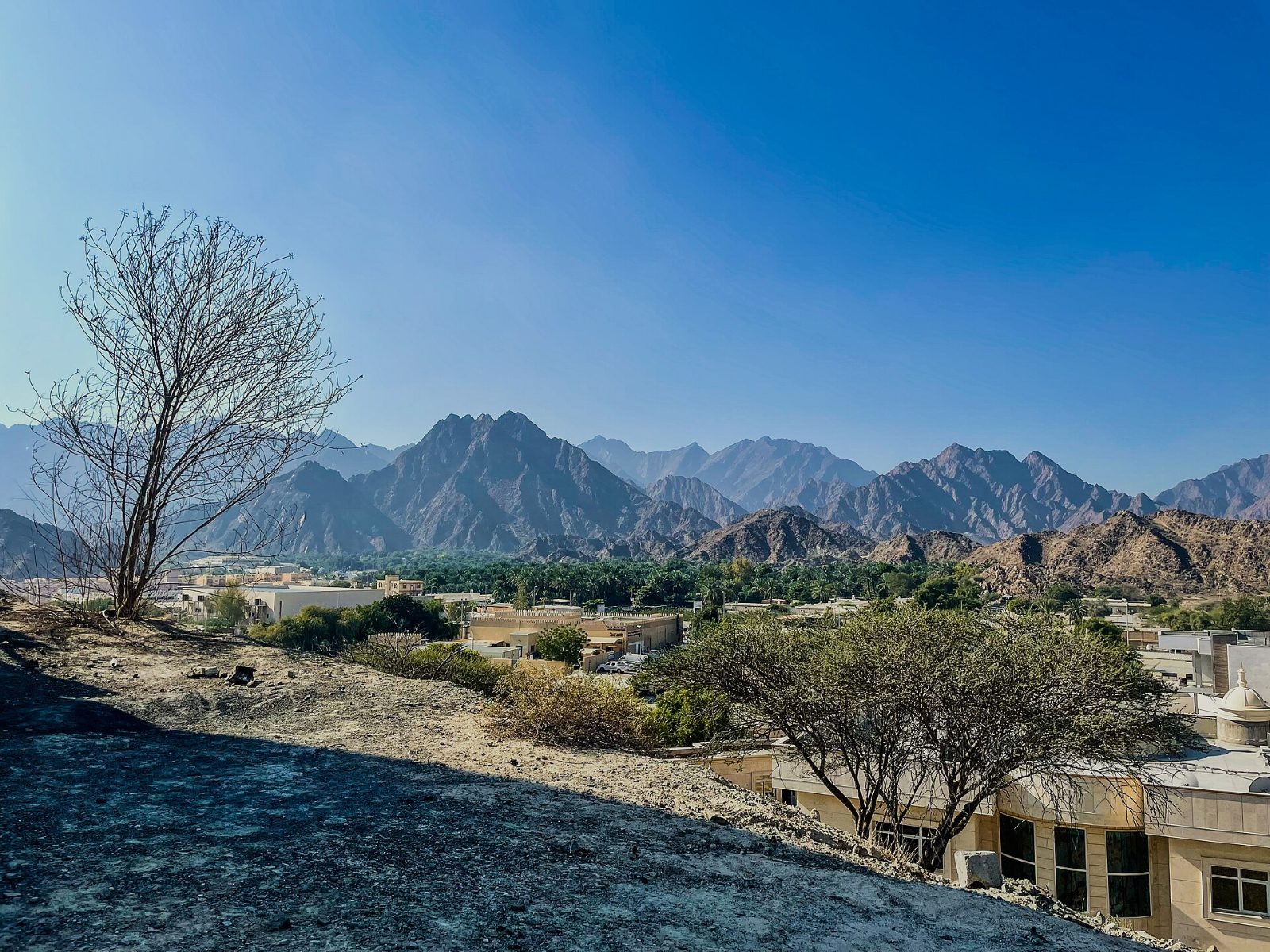
Hatta is an exclave of Dubai in the Hajar Mountains. The turquoise dam is the main draw, with kayaks and pedal boats, and there are walking and mountain bike trails nearby. The heritage village shows traditional mountain architecture. The drive passes through desert and then rocky hills, which makes it an easy introduction to UAE mountain roads.
Jebel Jais: the high road
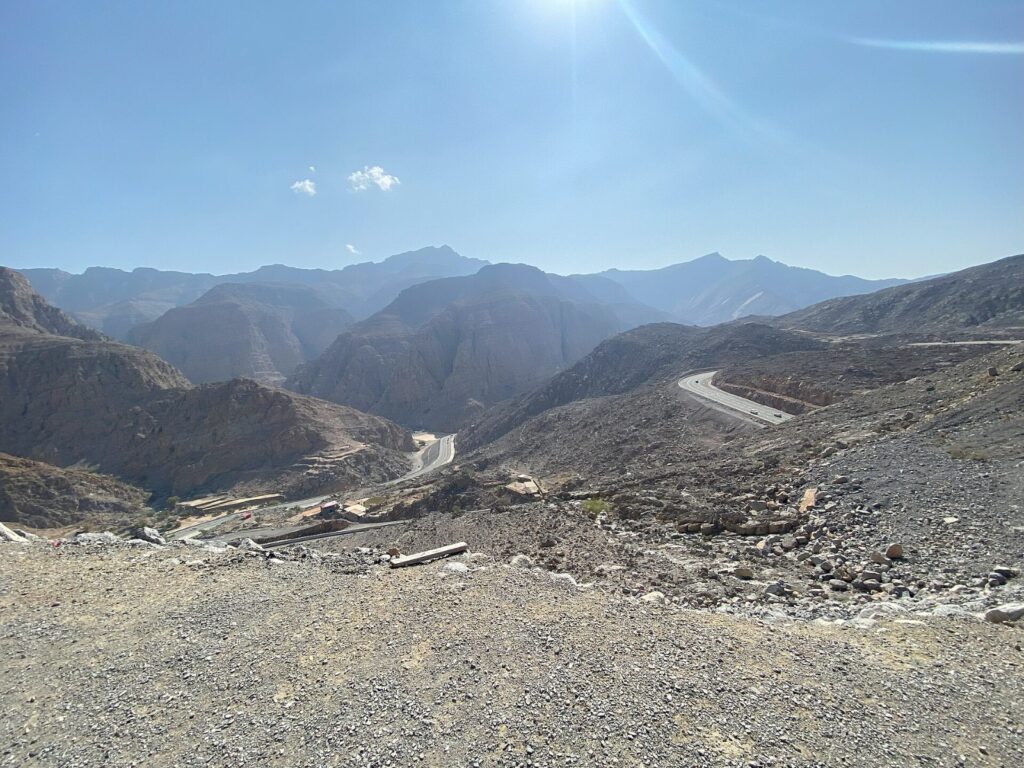
The road up Jebel Jais in Ras Al Khaimah climbs through hairpin bends to viewing platforms near the summit area. Temperatures at the top are noticeably cooler than on the coast, which makes it a favourite escape. Attractions such as a long zipline operate at the top; check opening times and weather alerts before you go, as roads can close in heavy rain.
Mountain driving tips
Use a lower gear on long descents instead of riding the brakes, watch for cyclists and slow vehicles, and never stop on bends to take photos. After rain, watch for rockfall and water across the road, and never drive through a flooded wadi.
The east coast: Fujairah to Dibba
Cross the mountains to reach the Gulf of Oman. The coast between Fujairah and Dibba has beaches, resorts and snorkelling trips to small islands, plus Al Bidyah Mosque, often described as the oldest mosque still in use in the UAE. In cooler months the coast road is one of the prettiest drives in the country.
Al Ain and Jebel Hafeet
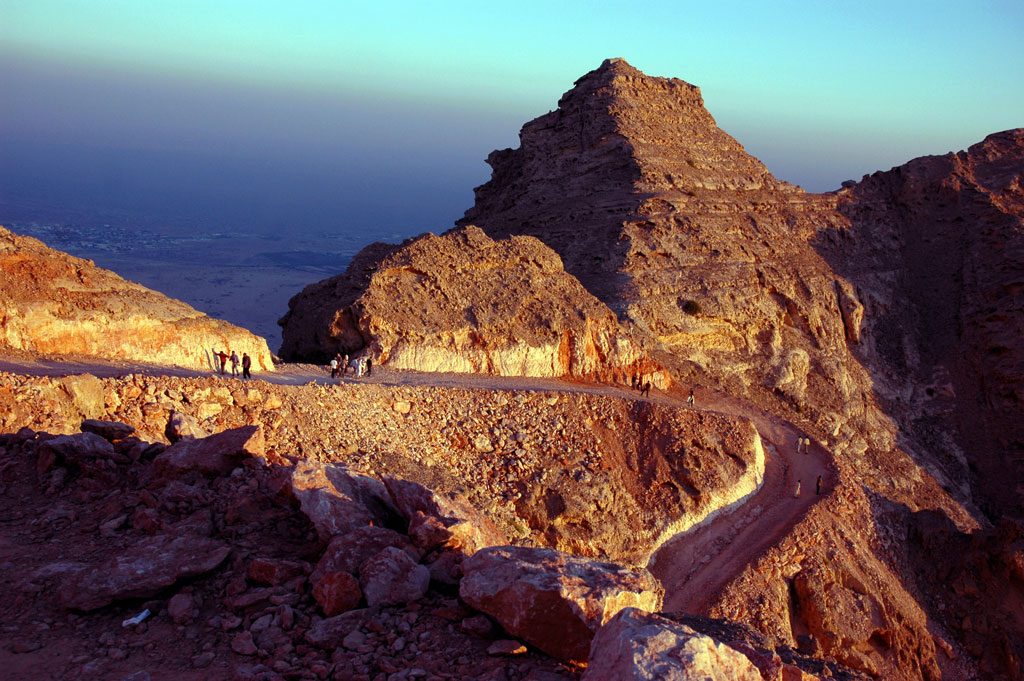
Al Ain, in the Abu Dhabi emirate, is known for its date-palm oasis with shaded paths, historic forts and museums. Jebel Hafeet rises on the edge of the city, and the smooth road to the top is popular at sunset. Al Ain is also a UNESCO World Heritage site for its cultural sites, which makes it a good choice if you want history alongside the drive.
Liwa and the Empty Quarter
For a bigger adventure, head south-west from Abu Dhabi to Liwa, where tall dunes mark the start of the Rub al Khali. Stay overnight to see sunset and sunrise over the sand. Never take a regular car into the dunes; book a guided tour if you want to go off-road.
Planning your trip
Road trip checklist
- Full tank before leaving the city, and fuel again on long rural stretches
- At least a few litres of water per person, plus snacks
- Phone charger, offline maps and an emergency contact list
- Sunglasses, hat, sunscreen and a light jacket for mountains in winter
- Spare tyre checked, and know how to use the jack
- Rental contract and insurance details if using a hire car
Best time to go
From roughly November to March, days are pleasant and mountain areas can be cool. In summer, plan to drive early and spend the hottest hours indoors. Check the National Centre of Meteorology for fog warnings in winter mornings and for rain or dust alerts.
Tolls and fines
Dubai uses Salik toll gates and Abu Dhabi uses the Darb system. Rental cars are usually linked automatically, with charges passed on to you. Speed cameras are common on highways, and limits can change on mountain and rural sections.
In the UAE, the drive itself is half the trip: plan stops at viewpoints, not just destinations.
Road trip etiquette
- Respect private farms and villages; ask before photographing people.
- Dress modestly in towns and heritage sites.
- Take all rubbish with you; desert and mountain areas have few bins.
- Keep to marked roads and tracks to protect fragile environments.
- During Ramadan, avoid eating and drinking in public during daylight hours.
Frequently asked questions
Can tourists drive on a UAE road trip?
Yes, with a licence accepted in the UAE or an international driving permit alongside your home licence. Check rental company rules before booking.
What is the most scenic drive in the UAE?
Many people pick the road up Jebel Jais or Jebel Hafeet, or the crossing to the east coast through the Hajar Mountains.
Do I need a 4×4 for a UAE road trip?
No. All the main routes are paved. A 4×4 is only needed for off-road desert or wadi driving, which should be done with a guide.
Is it safe to drive at night?
Main highways are well lit, but rural and mountain roads can be dark, with animals and sharp bends. Plan to arrive in daylight when possible.
Sources: Visit Dubai, Visit Abu Dhabi, National Centre of Meteorology
Last reviewed: 2026-11-25.
